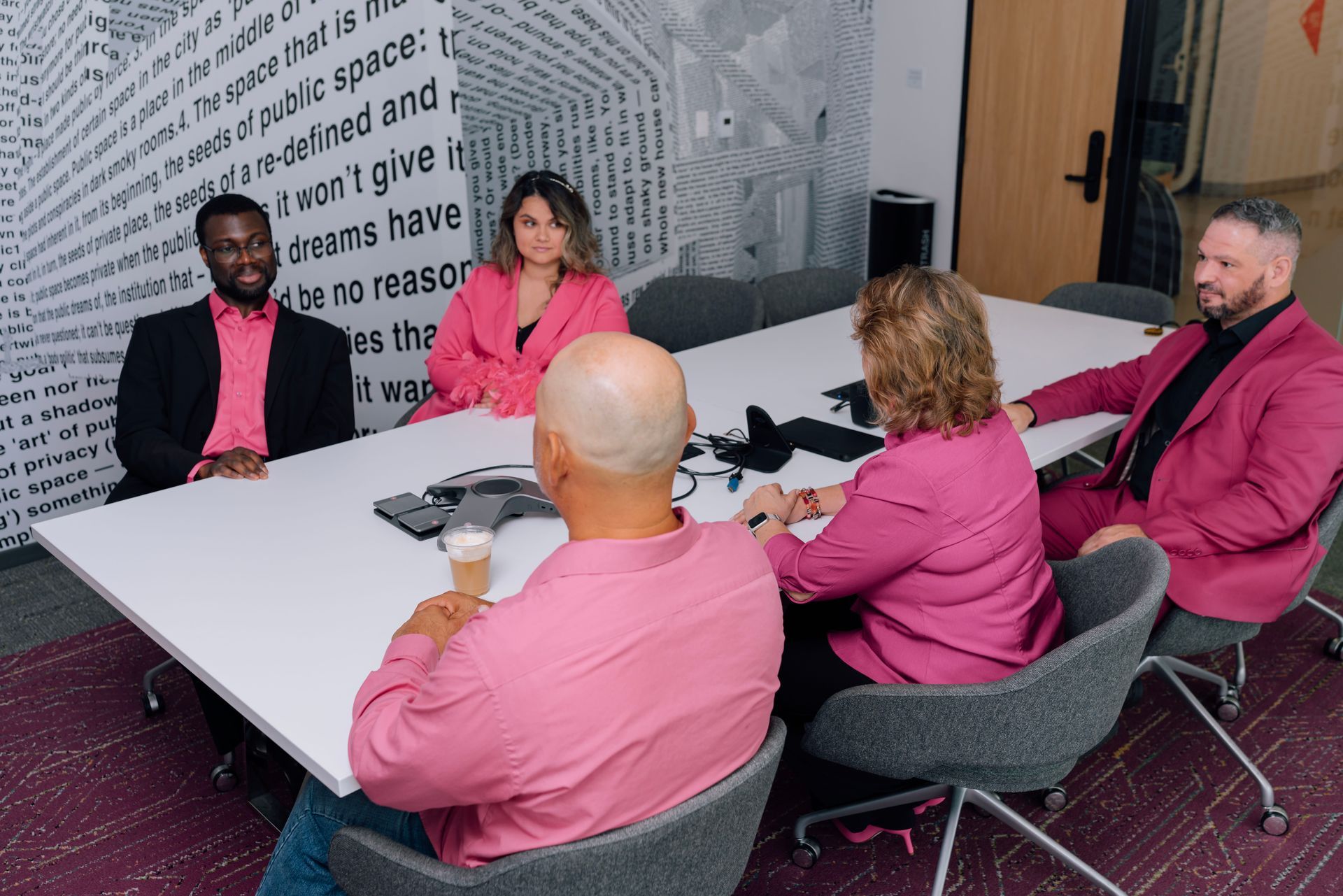
Amp up your business with a Highly Skilled Virtual Assistant
We'll connect you with top virtual assistants, with the skills and experience you need, so you can focus on growing your business.
Streamline Your Business With VA's
Virtual assistant services can boost productivity, streamline workflows, and simplify operations for businesses of any size. From admin support and scheduling to customer service and data management, our virtual assistants help you focus on what matters most—growing your business.
Amped Up VA's, headquartered in Dallas-Fort Worth, Texas area, offers top-notch virtual assistant solutions designed to meet the unique needs of businesses of all sizes. Their team of highly skilled professionals specializes in a wide range of services, including administrative tasks, customer service, scheduling, operational support, and more. Whether you need help organizing your workload, managing client communications, or streamlining daily operations, Amped Up VA's has you covered. By partnering with their expert team, you can reduce stress, save valuable time, lower overhead costs, and refocus your energy on what truly matters—growing and scaling your business. With Amped Up VA's on your side, you gain a reliable partner dedicated to your success, allowing you to work smarter, not harder.
Our Virtual Expertise
Administrative & Sales Support
Customer Support
Social Media Management
Research & Data Analysis
Content & Newsletter Creation
Ecommerce Support
Project Management
Personal Assistance
"Amped Up VA's has been a great partner in transforming our administrative processes. Their team integrated smoothly into our workflow, reducing workload and improving efficiency. Their flexible, cost-effective services allowed us to focus on other priorities. The professionalism and reliability of their virtual assistants exceeded our expectations. We highly recommend Amped Up VA's to any healthcare practice looking to streamline operations while maintaining quality service."
Trends & Insights